
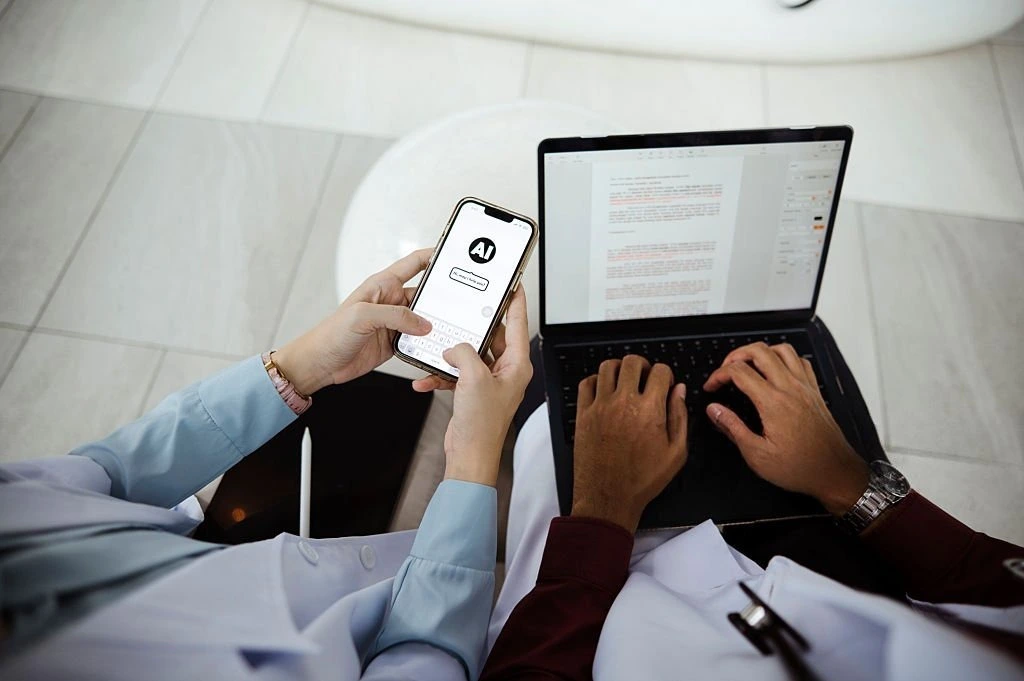
Mobile UX for Therapists: Secure and Simple Notes
Therapists balance many roles each day. They lead sessions, listen to clients, and write notes that meet clinical and legal rules. As more professionals in the healthcare industry use digital tools, the user experience (UX) of mobile and laptop apps has become a key factor.
Why UX Matters in Mental Health Work
Sessions often run back-to-back. Notes must be finished in short breaks. Devices range from phones to laptops. Without a smooth UX, therapists face delays, lost data, or extra work. Notes include sensitive details, personal identifier data, and Protected Health Information (PHI). Poor tools make it harder to handle PHI safely.
Secure Storage of Medical Records
In healthcare, design and security go together. Apps must offer secure storage of medical records:
- Local storage with automatic sync protects against internet failures.
- End-to-end encryption shields notes from leaks.
- Biometric login keeps access quick but safe.
- Clear logout and timeout rules protect data if a device is left unattended.
Data Protection Laws and UX
Therapists work across regions where data protection laws differ. Key differences matter:
- GDPR limits cross-border data transfers unless safeguards are in place.
- HIPAA requires clear policies for handling PHI.
- Some regions enforce medical data localization.
Practical UX Features That Help
Speed and Drafts: Apps should allow quick draft saving, easy edits, and autosave. Notes should never be lost if the app closes or the internet fails.
Simple Workflows: Creating a new note should take no more than a couple of taps. Pre-filled fields save time.
Templates and Flexibility: SOAP, DAP, and progress templates help structure notes.
Voice-to-Text: Lets clinicians dictate session notes right after a meeting. Combined with structured templates, it makes SOAP or progress notes much faster.
Risks of Bad UX
Bad UX wastes time and creates risks: overloaded screens confuse users, long forms without autosave cause lost work, and cloud-only storage can break compliance with local data protection laws.
Future of Mobile UX in Healthcare
The next wave of digital tools will focus on AI-powered note suggestions, smart reminders, integration with EHR systems, and predictive design that adapts to the therapist's habits.
Conclusion
The way therapists document care shapes their daily workload. The best tools combine simplicity for fast note creation, flexibility for personal workflows, and security for legal compliance. A thoughtful UX protects patients, respects data subjects, and builds lasting trust in digital therapy.